

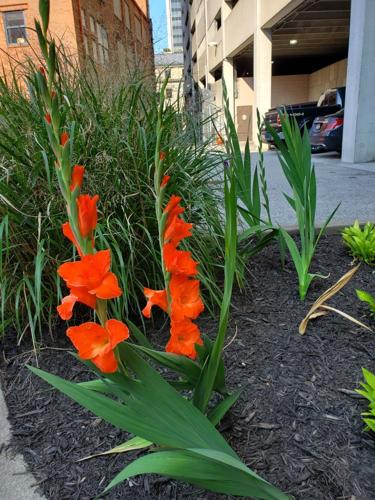
I’m trying something new this year. I am planting gladiolus at the little house on a big hill.
I’ll say it — yes, they look like funeral flowers. But something about the tall, majestic stems intrigues me as a focal point in the garden, and this is the year I am giving them a try.
Maybe it is the bright colors. I bought an assortment of pinks, reds and purples, but look for other colors — including yellow, orange and green. Once in bloom, these stems filled with ruffled petals will be perfect for cutting and adding to arrangements in the house.
As always, the place to start is finding an area that matches the plant’s needs and the garden's design. Gladiolus like full sun and well-draining soil. It can be a garden bed or a container.
When planting gladiolus, it is a corm that is planted. Now, I bet you are wondering what the heck a corm is. To most of us, rhizomes, corms, and bulbs are the same — what you put in the ground to grow a plant. And you are right, but to experienced gardeners, there is a difference.
Rhizomes grow horizontally underground, sending shoots above ground as they stretch beneath the surface. Bulbs, such as tulip bulbs, have layers and store energy through the winter to produce new growth in the spring. Corms are solid and scaly on the outside and have an underground stem where the growth begins.
OK, that gets technical, and I’m sure there is a botanist cringing at my watered-down explanation. That is exactly why, when speaking, I generally stick to referring to most as bulbs and rhizomes.
After picking a sunny spot, place the corm or bulb 6 inches under the soil. Glads are tall, and their root systems need to be firmly underground to anchor the plant. Place the bulbs 6-8 inches apart. Once the bulb is covered with soil, give it quite a bit of water on planting day. Then water once a week.
In a few weeks, the stem will break through the soil. It will grow to 48-60 inches tall. For this reason, I will place them in the back of my herb area. I am mixing the glads with my herbs to help attract pollinators to this spot.
As the stems grow, flowers will form and cover the area. This is why glads are called Flag Flowers or Sword Lilies. For me, the familiar tall, dignified presence lends a bit of formality to the garden.
Great for indoor displays, but toxic to pets, humans
The colorful flowers also make a great addition to indoor arrangements. They will create height and allow other flowers to serve as fillers and spillers in the design.
To keep blooms coming from June through first frost, stagger planting the corms two weeks apart. Be sure to deadhead older flowers.
Gladiolus are perennials in USDA Zones 8 and higher. In Appalachia, they are often treated as annuals. If trying to save the corms for another year, dig after the last frost, let them dry, then store them in a cool, dark spot until spring.
Here’s a trick to remember when to plant. After the last frost and the nights are 60 degrees or when it’s time to plant tomatoes.
Do be careful if you have pets. Gladiolus are toxic to dogs, cats and humans if ingested. What about deer? I think they have a built-in warning system to plants that upset their systems, but it might be a good idea to spray the plants with deer repellent.
Experimenting is part of the fun. I have had a few success stories of plants that are happy and live long, colorful lives, and I have had more than my share of plantings that didn’t make it.
This year, I’m placing my bets on glads to create flags of flowers to create drama and a spot for pollinators to gather in my herb beds. I’m also playing the odds with deer. Yes, gardening is an experiment and gamble – and a whole lot of fun.


