
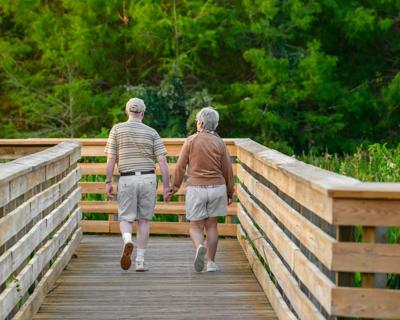
Not long ago, conversations about getting older often focused on hiding wrinkles, reversing the clock, or finding the latest anti-aging solution. Today, more adults are turning toward healthy aging, an approach that prioritizes physical function, mental well-being, independence, and quality of life rather than simply looking younger.
Instead of treating aging as something to fight, people are asking a more useful question: How can I stay healthy, active, and engaged for as long as possible?
Healthy Aging Is About Living Well
The World Health Organization defines healthy aging as developing and maintaining the functional ability that supports well-being in older age. It is not measured by the absence of wrinkles or gray hair. It is about being able to do what matters, from hiking Scottsdale’s desert trails to spending time with family.
This broader view has encouraged people to seek reliable educational information about developing areas of health research. Those interested in laboratory materials used in scientific studies can find educational resources at licensedpeptides.com within that research context.
Healthy aging accepts growing older as natural and focuses on supporting good health throughout adulthood.
The Focus Is Moving From Lifespan to Healthspan
Lifespan refers to how long someone lives. Healthspan describes the years spent in good health, with the ability to stay active, independent, and involved in daily life.
Longer life expectancy is a major public health achievement, but additional years matter most when people can enjoy them with fewer limitations. That is why conversations about aging now focus on muscle strength, heart and metabolic health, cognitive function, mobility, balance, stress management, and social connection.
Daily Habits Matter
Genetics play a role in aging, but lifestyle choices also have a strong influence. The National Institute on Aging highlights physical activity, nutritious eating, quality sleep, preventive healthcare, and social relationships as important parts of healthy aging.
Exercise is one of the most effective tools available. Strength training helps preserve muscle mass, aerobic activity supports cardiovascular health, and balance exercises can improve mobility and reduce fall risk.
A varied diet that includes vegetables, fruit, whole grains, lean protein, legumes, healthy fats, and enough water supports everyday function. Stress management, hobbies, learning, volunteering, and meaningful relationships also support well-being.
Prevention Is Becoming a Priority
More adults are taking a proactive approach to healthcare. Routine screenings, blood pressure and cholesterol checks, vaccinations, medical appointments, and management of chronic conditions can help identify problems earlier.
Preventive care continues outside the doctor’s office. Sun protection, regular movement, sufficient sleep, and maintaining a healthy body weight all contribute to long-term health.
Science Is Advancing, but Skepticism Matters
Longevity research continues to examine the biological processes involved in aging and possible ways to improve healthspan. However, experts warn against treating any product, supplement, or technology as a proven answer.
Evidence supports regular exercise, smoking cessation, preventive care, and effective management of chronic conditions. However, no single intervention has conclusively been shown to slow or reverse the overall biological aging process in humans.
Scottsdale Supports an Active Lifestyle
Scottsdale offers many opportunities for movement, including hiking, golf, cycling, pickleball, swimming, and walking. Even modest increases in activity, such as gardening or attending a community class, can support physical and mental well-being.
Social connection matters too. Time with friends, relatives, neighbors, or community groups can improve emotional health and may support healthier aging. Sustainable routines work better than an intense, difficult plan.
A More Positive View of Aging
The phrase anti-aging suggests that growing older is something to defeat. Healthy aging offers a more realistic and empowering view. It encourages people to consider whether they are staying active, sleeping well, maintaining relationships, caring for their mental health, and building habits that will support them later in life.
Conclusion
Healthy aging isn’t about chasing youth. It is about preserving independence, supporting physical and mental well-being, and making daily choices that improve quality of life over time.
Research still points to familiar foundations: regular movement, nutritious food, restorative sleep, preventive healthcare, meaningful relationships, and continued learning.
Rather than resisting aging, more adults are choosing to prepare for it. That may be one of the healthiest shifts of all.
References
World Health Organization. Healthy Ageing and Functional Ability.
World Health Organization. Ageing and Health.
National Institute on Aging. What Do We Know About Healthy Aging?
National Institute on Aging. Tips To Boost Your Health as You Age.
Holt-Lunstad J, Smith TB, Layton JB. “Social Relationships and Mortality Risk: A Meta-analytic Review.� PLoS Medicine. 2010;7(7):e1000316.


