When growing up in Michigan, I used to love to shop for new clothes ahead of the first day of school, which — at the time — was the day after Labor Day. The winding down of the hot summer and its mostly timeless days led to the excitement of crisp, clear fall weather and rejoining my classmates in meeting the challenges of our new teachers and learning from each other.
Having better or worse clothes was not much of an issue. We mostly came from homes with fairly modest incomes and other support from professional-level fathers and stay-at-home moms. The exceptions were a handful of classmates from the home for orphans and the aged across the field from our school. These kids wore similar style-less clothes and generally kept a low profile.
Before the big new mall on the outskirts of town, shopping usually meant a trip or two downtown to the largest department store in the world. We also crossed the broad street to the storefront that specialized in supportive Buster Brown shoes. At some point I graduated from brown oxfords to more stylish black and white saddle shoes. Gym shoes were for gym, and rubber boots were to wear over our shoes when it snowed out.
Only boys were allowed to wear pants, except when we girls who walked to school could put leggings on under our skirts and dresses on freezing cold days, then take them off when we got inside. Our wonderful, male second grade science teacher treated all of us the same, but this differential in dress was one of the injustices that I have never totally gotten over.
In the early years styles were pretty standard, like plaid wool pleated skirts and cotton blouses. Later on, in the mid-1950s, TV made its mark via full felt skirts with applique poodles worn over ruffled, crinoline slips and orlon sweaters on top. My classmates and I who were in Brownies and Girl Scouts wore our uniforms on the days when we met after school.
Making do, and appreciating what we had
Fast forward to my early years as a young adult and parent in West Virginia. My rural neighbors’ kids in large, low-income families had hand-me-downs supplemented by a new outfit or two when school started and at Christmas and Easter. The extra money to pay for these things would come from selling produce in the summer, paying into a Christmas Club for funds for the holidays, and getting a tax refund or selling off extra calves or lambs in the spring.Â
My own family and I shopped mostly at the first small Gabriel’s storefront in Morgantown with its tables and bins of clothes to sort through.  I first found my $1 turtlenecks there when visiting from college.
Our sons grew up mostly on Gabe's clothes and seemed to do very well holding their own with their friends. My older son even found that his shoes were as good as those of his wealthier college classmates out of state at a fraction of the cost.
Our children don't need one more obstacle
It grieves me now to watch the back and forth on the clothing allowances for those who need them this year. How is this affecting these kids who already have so many strikes against them? Food security is being taken away, and they can no longer depend on health care. How is all of this preparing our young neighbors to be good candidates for the jobs of the future?
It hurts even more to see their parents demonized as thieves of any cash for luxuries for themselves. How dare our well-compensated leaders automatically assume the worst about them. As if allowing the poisoning of their — our — air, land and water is not enough to diminish them, and all of us. Putting the thumb on the scales to downgrade the lives of these kids – while encouraging their families to bear additional siblings – just adds insult to injury.
More and more I am realizing that my primary question for any candidate for leadership is this: What is your view of our people? A follow up: How do you plan to make their lives better for their benefit as well as for the benefit of all of us?
If they are already in office, then I want to know exactly what they have already done. Â
We have lots of choices this year to elect people who care about us as we care about each other.  Supporting and voting for the right leaders can make all of the difference.  If we do not stand up for ourselves and our neighbors, then who will care what becomes of us? Â
The future is in our hands via our actions and our votes.
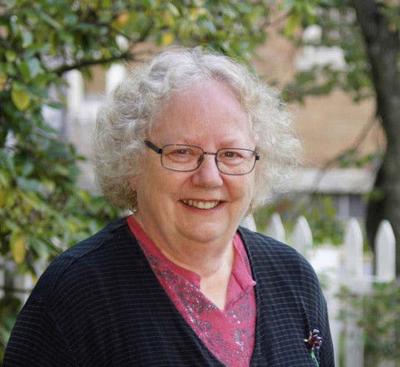
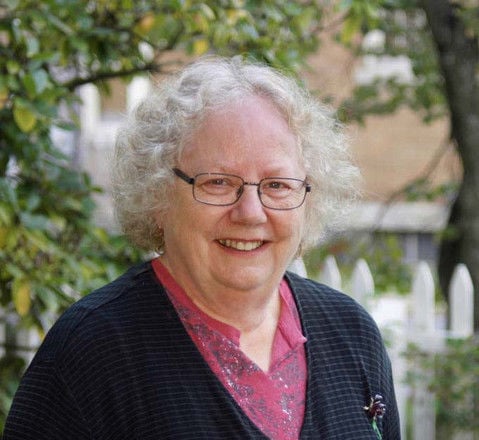
Betty Rivard, of ÂÒÂ×ÄÚÉä, is a retired social worker and planner for the West Virginia Department of Health and Human Resources.