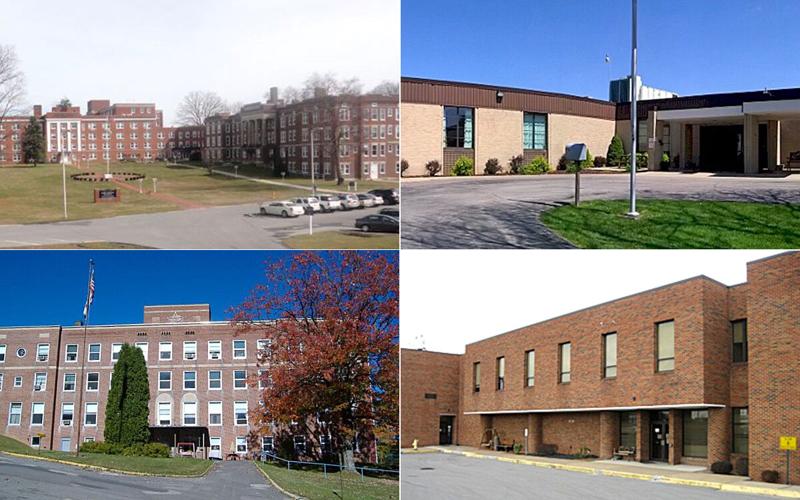
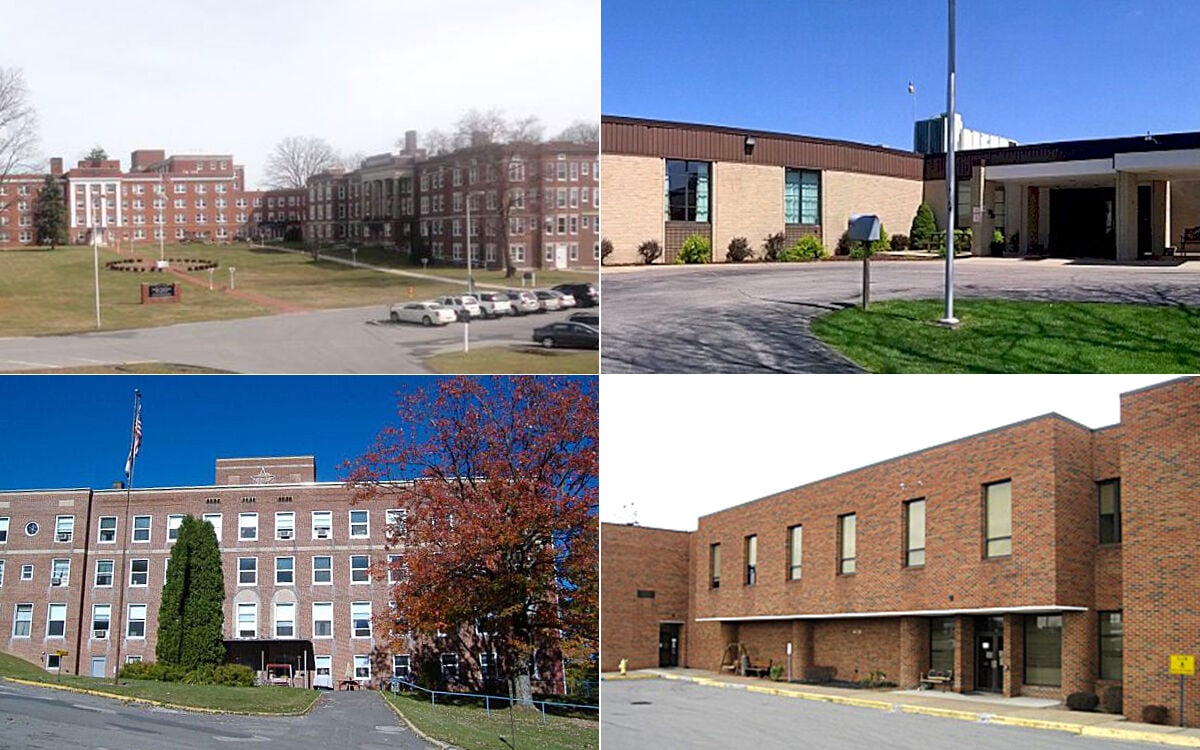
This is a composite image of (clockwise from top left) Jackie Withrow Hospital in Beckley, Lakin Hospital in West Columbia, John Manchin Sr. Health Care Center in Fairmont and Hopemont Hospital in Terra Alta.
This is a composite image of (clockwise from top left) Jackie Withrow Hospital in Beckley, Lakin Hospital in West Columbia, John Manchin Sr. Health Care Center in Fairmont and Hopemont Hospital in Terra Alta.
Courtesy photos
After Gov. Patrick Morrisey sold four state-owned nursing homes, his proposed budget shows the state will need even more money than last year to operate the remaining three.
The governor is requesting around $21 million more in funding from last year for the Department of Health Facilities’ three hospitals — two psychiatric facilities in Weston and Huntington and a community hospital in Welch.
“There are tremendous needs still with three remaining hospitals,� State Budget Director Mike McKown told members of the House Finance Committee last week. “The sale of those long-term care hospitals will not reduce the total appropriations needed for the health care facilities. Those costs continue to grow very fast.�
House Minority Leader Sean Hornbuckle, D-Cabell, questioned, “So we did sell the four hospitals, but the budget increased?�
Federal money drawn down for the four hospitals sold had been used to subsidize the other three, lawmakers learned. Increased costs for the Public Employees Insurance Agency along with Morrisey’s proposed 3% salary increase for state workers are also adding to the hospitals’ growing budget.
In total, Morrisey says they’ll need $238.4 million for the three state-owned hospitals.Â
During his first year in office, Morrisey sold four long-term nursing homes in Beckley, Fairmont, Terra Alta, and West Columbia for $60 million to New York-based Marx Development Group; the state pocketed $52.8 million from the sale. The hospitals, which mostly served elderly patients who had no other options, were in need of $3.9 million in maintenance and operating at a $6 million yearly loss to the state.
“This is another step forward in improving care outcomes for our patients while protecting taxpayer dollars,â€� Morrisey said during the close of the sale in November.Â
Drew Galang, the governor’s press secretary, said on Wednesday that providing higher-quality care for the West Virginians in the facilities “has always been the focus of this process.� The sale eliminated the state’s obligation to make $80 million in renovations over the coming years and saved taxpayers approximately $40 million in operating losses over the next five years, he said.
“The savings generated from the sale will need to be poured into the remaining facilities owned by the state,â€� Galang said.Â
‘Critical maintenance needs’ at remaining state-owned hospitalsÂ
The increased financial request for the remaining facilities has caught some lawmakers off guard. They started vetting the governor’s proposed budget for fiscal year 2027.
“I’m a little bit surprised that it appears that their need for an appropriation has increased year over year, as compared to decreased,� said Delegate Daniel Linville, R-Cabell.
Sen. Joey Garcia, D-Marion, said, “It’s shocking to me that Gov. Morrisey sells four state-run nursing homes proclaiming the state can’t afford to run them, pockets $60 million from the sale, and now comes back to the Legislature and asks for a substantial increase in funding. It looks like he miscalculated.�
Gailyn M. Markham, director of communications for the Department of Health Facilities, said funding previously appropriated for the long-term care facilities has been reallocated to support the state’s psychiatric hospitals.
“Savings from the sale of the long-term care facilities will be realized over time through the avoidance of future operating and capital expenses that the DHF would otherwise have been required to absorb,� she said.
The department requested $10 million for what they said were critical deferred maintenance needs, including replacement of windows and security cameras at William R. Sharpe, Jr. Hospital. The department also needs to replace essential surgical scope equipment for operating rooms at Welch Community Hospital.
There are also rising operating expenses such as increased psychiatric patient diversions to other hospitals, Markham said. Sharpe doesn’t have enough beds for patients in need, so they must be diverted to private beds.
“We have more of those people than we have space for, so those diversions cost a lot of money. And they’re continuing to grow,â€� McKown said.Â
Bill would require lawmakers’ approval before selling psych hospitalsÂ
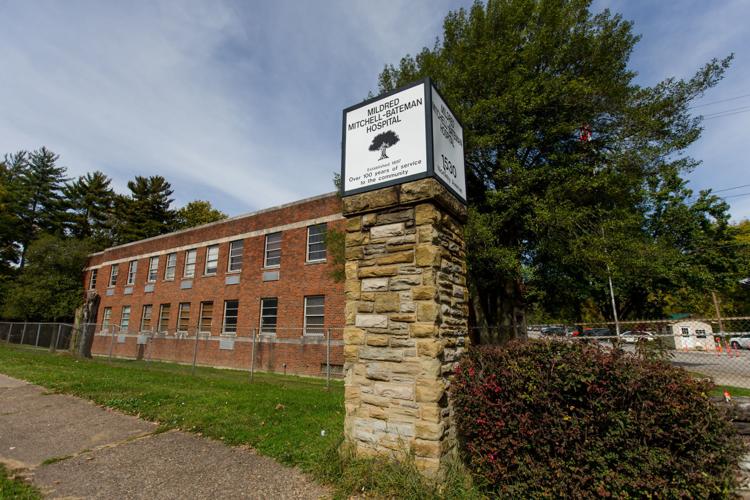
Mildred Mitchell-Bateman Hospital in Huntington is shown in this undated file photo.
SHOLTEN SINGER | HD Media
Mildred Mitchell-Bateman Hospital, a psychiatric hospital in Huntington, needs to be replaced, according to Markham.
The Morrisey administration may consider selling the remaining hospitals. “The state has been exploring a variety of strategic options to address and ensure the long-term sustainability of our state-owned and operated health care facilities,� Markham said.
Garcia sued Morrisey and Department of Health Facilities Secretary Michael Caruso last year to stop the sale of John Manchin Sr. Health Care Center in Fairmont, which is in his district. Garcia, an attorney, argued that Morrisey didn’t have the legal authority to sell the hospital without the Legislature’s approval.Â
A judge ruled in October that Caruso had the authority to sell the nursing home.Â
Garcia sponsored a bill this session that would require the department secretary to come to the Legislature for permission if they wanted to sell the remaining hospitals.Â
“We should have that debate openly, transparently in the West Virginia State Senate and House of Delegates,â€� Garcia said.Â
As lawmakers vet Morrisey’s budget request, Linville has requested three to five years of data on the state-owned hospitals’ finances, including revenues coming in from Medicaid versus the state to support them.
“Years ago, we’d asked for some additional data surrounding those facilities … and turns out, we didn’t get it,� Linville said. “We just want to sort of better understand the dollars that are in play there and the why.�
He continued, “I want to make sure that we take care of our absolutely most vulnerable, especially those who can’t care for themselves. What is key is that those folks that are in the charge of the state are well cared for.�
Majestic Care, a subsidiary of Marx Development Group, is operating the four long-term nursing homes purchased from the state last year. The company is contractually required to build at least three new hospitals on a set timeline, and they’ve committed $80 million to the project. There is no requirement about where Majestic Care builds the hospitals in the state.Â
All employees of the four long-term care facilities had the opportunity to continue their employment with the new ownership at the same compensation and tenure being fully recognized by the new company, according to a news release from the governor.
CLICK HERE to follow the ÂÒÂ×ÄÚÉä Gazette-Mail and receive