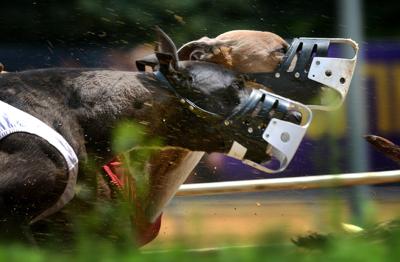
In a May 15 op-ed published by the Gazette-Mail, Jon Decker, a career think-tanker, put forth some claims that West Virginians might understandably find irksome.Â
Decker made the pitch that greyhound racing shouldn't be banned in West Virginia — the last state in which the sport is active — because West Virginians don't have much else to look forward to.Â
"Now that sightings of the Mothman have grown infrequent in recent years, all West Virginia really has left are abandoned coal towns, the New River Gorge and, yes, the thundering sound of dozens of greyhounds chasing eternal glory down a track led by a mechanical hare. If you take that away, there ain’t much left ..." Decker wrote.Â
This was probably intended as a tongue-in-cheek remark. Indeed, it is amusing, but perhaps not for the reason Decker thinks.Â
The real argument Decker is trying to sell is that people from other states shouldn't tell West Virginians what to do. Decker points to the federal Farm Bill, recently passed by the U.S. House, containing an amendment from Rep. Salud Carbajal, D-Calif., that would make greyhound racing illegal. Decker claims it's easy for Californians to make demands of others from their lofty perch of tourist elitism, being home to Hollywood and sunny beaches. Â
So, what's actually amusing here is Decker posits that West Virginians shouldn't have policy dictated to them by out-of-touch outsiders — particularly from a blue state — while he also deploys the old stereotypes about West Virginia as podunk, flyover territory.
W.Va. has been taken advantage of for years
Something else Decker conveniently overlooks is that West Virginia has gladly cowed to the interests of outsiders throughout its entire history. The timber, coal and chemical industries have all had their fun with West Virginia for long stretches of time with little concern over the well-being of the people who live here. Some of those industries offered good-paying jobs for a limited time, but the lion's share of the benefits flowed out-of-state, while West Virginians were left to deal with poverty, pollution, illness and death.Â
Many powerful West Virginians in office now, who shape policy at the state and federal levels, are just fine with out-of-state interests when it comes to fossil fuels, data centers and dark-money campaign spending. But they're quick to blast "liberal elites" in places like California when it comes to renewable energy, electric vehicles or tougher environmental regulations that would make West Virginians healthier.
For the love of God, most of these folks can't be moved to even try to do something about providing clean, reliable drinking water in the Southern Coalfields when lobbied directly by people who live there. But jacking up utility rates to prolong the lifespan of an outdated and expensive coal-fired power plant? No problem.
The truth is, out-of-state opinions and influence are more than acceptable in West Virginia, as long as they're deemed the right kind of outside voices and are lining the pockets of the right people. It's always been that way. West Virginians only benefit when they speak for themselves, and even that doesn't seem to be enough anymore. Â